Day of the Dead
El Día de los Muertos
Sunday November 1, 2026, 3:00pm
Admission
Free
Day of the Dead (Día de Muertos) is a traditional Mexican holiday celebrated on November 1st and 2nd to honor and remember loved ones who have passed away.
What does this celebration mean?
Reunion: It is based on the belief that, during this time, the souls of the deceased return temporarily to the world of the living to spend time with their families.
Joy and remembrance: Rather than a time of sadness or mourning, it is a celebration filled with color, music, and love that embraces life through remembrance.
Mixed origins: The tradition combines pre-Hispanic rituals from the indigenous peoples of Mesoamerica with the influence of the Catholic religion (All Saints' Day and All Souls' Day) brought by the Spanish.
The elements used for this celebration include:
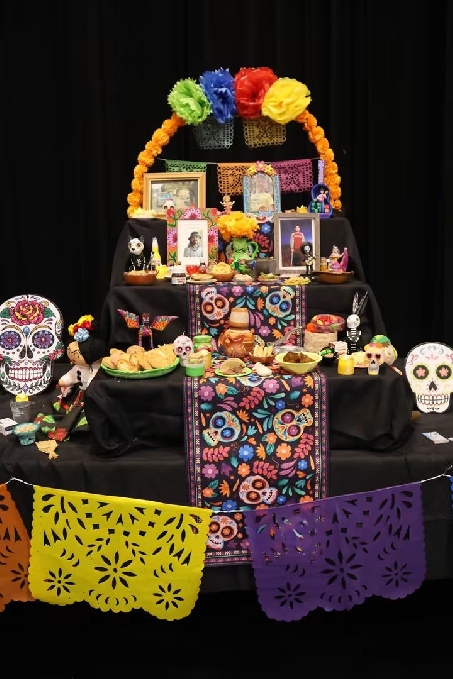
The altar or *ofrenda*: Set up in homes and cemeteries, it features photographs of the deceased.
*Cempasúchil* flowers (marigolds): Their striking color and scent serve to guide the souls on their path.
Food and drink: Dishes, fruits, or beverages that the deceased enjoyed during their lifetime are offered.
*Pan de muerto* and *calaveritas*: Traditional sweets and sugar-dusted bread that are an essential part of the offering.
Dressing as La Catrina:
La Catrina is a famous figure�"an elegantly dressed skeleton representing death�"and serves as the primary symbol of the Day of the Dead in Mexico.
This marks the fifth year of the celebration in Lopez; we are delighted to invite all members of the Lopez community to share in our beautiful tradition.
__________________________
El Día de Muertos es una festividad tradicional mexicana que se celebra los días 1 y 2 de noviembre para honrar y recordar a los seres queridos que han fallecido.
¿Qué significa esta celebración?
El reencuentro: Se basa en la creencia de que, durante estas fechas, las almas de los difuntos regresan de manera temporal al mundo de los vivos para convivir con sus familias.
Alegría y memoria: Más que una fiesta de tristeza o luto, es una celebración llena de color, música y amor que abraza la vida a través del recuerdo.
Origen mixto: La tradición combina rituales prehispánicos de los pueblos indígenas de Mesoamérica con la influencia de la religión católica (el Día de Todos los Santos y los Fieles Difuntos) traída por los españoles.
Las cosas que se utilizan para esta celebración son:
El altar u ofrenda: Se coloca en los hogares y cementerios con fotografías de los difuntos.
Flores de cempasúchil: Su llamativo color y aroma sirven para guiar el camino de las almas.
Comida y bebida: Se ofrecen los platillos, frutas o bebidas que le gustaban al difunto en vida.
Pan de muerto y calaveritas: Dulces tradicionales y pan espolvoreado de azúcar que forman parte inseparable de la ofrenda.
Vestirse de Catrina:
La Catrina es una famosa figura de un esqueleto vestido con elegancia que representa la muerte y es el símbolo principal del Día de Muertos en México.
Esta es el quinto año que se celebra en lopez, estamos felices de invitar a todos los miembros de comunidad de López para compartir nuestra hermosa tradición.
What does this celebration mean?
Reunion: It is based on the belief that, during this time, the souls of the deceased return temporarily to the world of the living to spend time with their families.
Joy and remembrance: Rather than a time of sadness or mourning, it is a celebration filled with color, music, and love that embraces life through remembrance.
Mixed origins: The tradition combines pre-Hispanic rituals from the indigenous peoples of Mesoamerica with the influence of the Catholic religion (All Saints' Day and All Souls' Day) brought by the Spanish.
The elements used for this celebration include:
The altar or *ofrenda*: Set up in homes and cemeteries, it features photographs of the deceased.
*Cempasúchil* flowers (marigolds): Their striking color and scent serve to guide the souls on their path.
Food and drink: Dishes, fruits, or beverages that the deceased enjoyed during their lifetime are offered.
*Pan de muerto* and *calaveritas*: Traditional sweets and sugar-dusted bread that are an essential part of the offering.
Dressing as La Catrina:
La Catrina is a famous figure�"an elegantly dressed skeleton representing death�"and serves as the primary symbol of the Day of the Dead in Mexico.
This marks the fifth year of the celebration in Lopez; we are delighted to invite all members of the Lopez community to share in our beautiful tradition.
__________________________
El Día de Muertos es una festividad tradicional mexicana que se celebra los días 1 y 2 de noviembre para honrar y recordar a los seres queridos que han fallecido.
¿Qué significa esta celebración?
El reencuentro: Se basa en la creencia de que, durante estas fechas, las almas de los difuntos regresan de manera temporal al mundo de los vivos para convivir con sus familias.
Alegría y memoria: Más que una fiesta de tristeza o luto, es una celebración llena de color, música y amor que abraza la vida a través del recuerdo.
Origen mixto: La tradición combina rituales prehispánicos de los pueblos indígenas de Mesoamérica con la influencia de la religión católica (el Día de Todos los Santos y los Fieles Difuntos) traída por los españoles.
Las cosas que se utilizan para esta celebración son:
El altar u ofrenda: Se coloca en los hogares y cementerios con fotografías de los difuntos.
Flores de cempasúchil: Su llamativo color y aroma sirven para guiar el camino de las almas.
Comida y bebida: Se ofrecen los platillos, frutas o bebidas que le gustaban al difunto en vida.
Pan de muerto y calaveritas: Dulces tradicionales y pan espolvoreado de azúcar que forman parte inseparable de la ofrenda.
Vestirse de Catrina:
La Catrina es una famosa figura de un esqueleto vestido con elegancia que representa la muerte y es el símbolo principal del Día de Muertos en México.
Esta es el quinto año que se celebra en lopez, estamos felices de invitar a todos los miembros de comunidad de López para compartir nuestra hermosa tradición.